

Pay as you go
£ 36.00/Hour
Book now

If you’re starting driving lessons in the UK, one of the first decisions you’ll face is simple but important:
Should I learn automatic or manual in the UK?
Most learners assume automatic is the faster option. But in the UK, manual learners still pass at higher rates, which completely flips that assumption.
After all, there are fewer things to think about. No gears, no clutch, no stalling. It feels easier almost immediately. But passing your driving test isn’t just about comfort. It’s about being fully prepared for real-world situations and test conditions.
When comparing manual vs automatic driving lessons UK, the answer isn’t as straightforward as most people think. One may help you learn faster at the beginning, while the other may give you a stronger chance of passing.
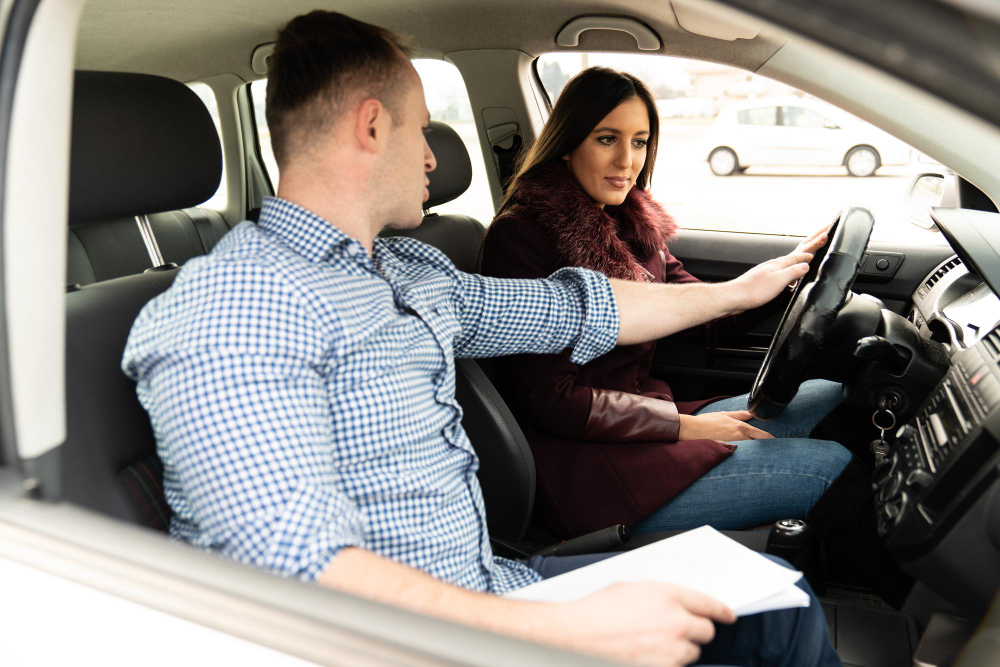
This is where most learners get confused. There are really two different questions here: which one is easier to learn, and which one helps you pass your test.
In terms of learning, automatic is easier. You don’t have to deal with gears, clutch control, or stalling, which removes a lot of early pressure and helps you feel comfortable behind the wheel much faster. Most learners reach confidence sooner, often within:
But passing your test is a different story.
When looking at driving test pass rate automatic vs manual UK, manual learners still come out ahead:
That gap exists because many automatic learners feel ready sooner and book their test earlier, while manual learners tend to spend more time practising and build stronger control before test day.
For example, a learner in an automatic car may feel confident after 20 hours but fail due to poor junction decisions or lack of observation. Meanwhile, a manual learner may take longer to reach test stage but pass first time because they’ve built stronger awareness and decision-making skills.
So, while automatic makes learning easier, it doesn’t automatically make passing easier.
If you think automatic guarantees a faster pass, you’re likely to feel ready sooner, but not necessarily pass sooner. The test doesn’t reward comfort. It rewards awareness and decision-making.
Manual driving can feel challenging in the early stages. Coordinating the clutch, gears, and accelerator while also paying attention to the road can be frustrating. It’s common for learners to stall, misjudge gear timing, or struggle with hill starts in the beginning.
However, that difficulty forces a deeper level of learning. You’re not just driving, you’re actively controlling the car in a more detailed way. Over time, this builds stronger coordination, better timing, and a higher level of awareness.
Because of this, manual learners often spend more time practising before taking their test. They tend to reach a point where their control and decision-making are more consistent, which increases their chances of passing.
It’s not that the manual is easier. It’s that it encourages more complete preparation.
This is where most learners get into a jiffy
When people search manual vs automatic car UK which is better, they’re usually looking for a clear winner. But the truth is, each option suits a different type of learner.
Automatic is better for reducing pressure and building early confidence. Manual is better for long-term flexibility and stronger overall preparation.
Manual driving forces you to develop better control and awareness over time. That’s why learners often perform better under test conditions.
The real difference isn’t which car is easier. It’s which one forces you to become a better driver before test day.
One of the biggest differences between learning manual and automatic is the type of licence you receive. An automatic licence only allows you to drive automatic cars, while a manual licence lets you drive both manual and automatic vehicles.
This matters more than most learners expect. If you pass in an automatic, you’re restricted unless you take another test later. A manual licence gives you more flexibility, especially when it comes to real-world situations.
Here’s how they compare:
In simple terms, automatic is easier to get, but manual gives you more freedom once you’ve passed.
It’s easy to focus on the type of car, but in reality, your progress depends far more on how you approach learning.
Your confidence plays a major role in how quickly you improve. Learners who feel overwhelmed often progress faster in an automatic way because it removes unnecessary pressure and reduces mental load.
On the other hand, more confident learners may handle manual driving without much difficulty and adapt to the added complexity over time.
Consistency is one of the most overlooked factors. Taking lessons regularly allows you to build momentum and retain what you learn between sessions. If you only drive once a week, you spend half your lesson catching up.
Learners who take two or three lessons per week often progress significantly faster, regardless of whether they choose manual or automatic.
If you’re looking for automatic driving lessons Manchester or manual driving lessons Manchester, the instructor you choose matters more than the car.
A good instructor prepares you for the test, not just basic driving.
Timing is where many learners slow themselves down. Booking your test too early might feel like progress, but it often leads to failure and resets your momentum.
Passing your driving test depends on readiness, not just confidence. Knowing when you are truly prepared is what ultimately determines how quickly you succeed.
According to UK driving data, most learners require dozens of hours of lessons before reaching test standard, and those who pass first time are usually the ones who delay their test until they are fully prepared.
Let’s call this out clearly.
A lot of learners switch to automatic thinking, “This will help me pass quickly.” It sounds logical, but this is where most learners miss the bigger picture. Passing your driving test isn’t about how easy the car feels to drive. It’s about how well you observe, react, and make decisions in real situations.
In reality, the majority of driving test failures in the UK have very little to do with gears or clutch control. They come down to awareness and judgment. If those areas aren’t developed properly, switching to automatic won’t fix the problem.
Most learners fail because of:
These are core driving skills that apply to both manual and automatic cars. The transmission doesn’t change how you read the road or respond to hazards.
That’s why relying on “easy driving” can sometimes backfire. If you focus only on comfort and ignore awareness, you may feel ready sooner but end up needing more attempts to pass. In the long run, that can actually slow your progress instead of speeding it up.
Choosing automatic to avoid difficulty often delays progress more than it speeds it up. The issue isn’t the car, it’s the skills you’re avoiding.
Even though manual still has higher pass rates, the UK is clearly moving towards automatic. More learners are choosing it every year, not because it guarantees success, but because it makes the learning process feel more manageable.
Automatic cars remove early friction. There’s less to think about, which helps learners focus on awareness, positioning, and decision-making. In busy urban areas, that simplicity can make a real difference in confidence.
At the same time, the rise of electric vehicles is accelerating this shift. Most modern cars are automatic, so learners are naturally choosing what they expect to drive in the future.
A few key drivers behind this trend:
That said, the manual still offers more flexibility today. It gives you access to both manual and automatic cars, which is why it continues to hold a practical edge.
There’s no universal answer here. The right choice depends on how you learn and what you want long-term.
If you’re still unsure, it helps to look at the full comparison in more detail. This guide on automatic transmission vs manual transmission for new drivers breaks down the differences in a more practical way, so you can make a confident decision before starting your lessons.
Automatic is the better option if your priority is reducing pressure and building confidence quickly. It allows you to focus on the road without being distracted by coordination.
Manual makes more sense if you’re thinking beyond just passing the test. It takes more effort early on, but gives you more freedom later.
Choosing between automatic and manual driving lessons comes down to how you learn best and how quickly you want to pass. Automatic can build confidence faster, while manual often leads to stronger long-term results.
If you’re serious about passing without delays, getting the right guidance matters more than the car you choose.
At Impulse Drive, expert instructors help you stay test-ready from day one. Don’t wait and risk slowing your progress. Book your lessons now and start moving towards your licence with confidence.
Yes, automatic can help you progress faster if coordination is holding you back, as it removes clutch and gear complexity so you can focus on awareness and control.
Not exactly. Many automatic learners take their test earlier due to feeling confident, but may lack full readiness, which can lead to lower pass rates.
If you’re consistently struggling with clutch control or stalling, switching to automatic can remove that barrier and help you focus on core driving skills.
Yes, demand for automatic lessons is higher, so availability can be limited, and waiting times may be longer compared to manual instructors.
Manual often builds stronger car control and awareness, which can make you more confident in varied driving conditions, even if it takes longer to learn.
Beginners should choose based on their confidence and learning style. Automatic suits those who want a simpler start, while manual suits learners who want flexibility and long-term benefits.