

Pay as you go
£ 36.00/Hour
Book now

Learning to drive is a major milestone that opens up independence and flexibility. For many people, it also brings uncertainty. Whether you are learning to drive for the first time or returning to driving as an adult, the early stages can feel confusing without the right guidance.
Good preparation can save you time, money, and unnecessary stress. When learners understand what to expect before their first lesson, progress tends to be smoother, and confidence builds more naturally.
This guide is designed to give UK learners practical advice that helps them feel prepared from day one.

Learning to drive in the UK involves more than simply booking lessons. It requires developing practical driving skills, understanding road rules, and building safe habits that work in real traffic conditions.
Before lessons begin, learners benefit from understanding how the learning process works. This includes knowing how long learning usually takes, what costs to expect, how instructors assess progress, and why consistent practice matters. Starting with clear expectations helps learners avoid frustration and focus on steady improvement rather than rushing to pass.
The steps below focus on the actions that make the biggest difference early on, helping you approach learning to drive with structure, confidence, and a realistic mindset.
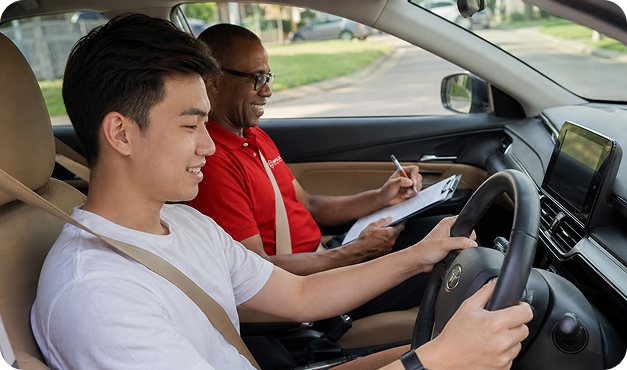
Your first driving lesson can feel intimidating, but preparation helps you start with confidence instead of nerves.
Before your lesson, make sure you:
During the first time driving, instructors usually focus on:
Your first lesson is about getting familiar with the car and the environment, not driving perfectly.
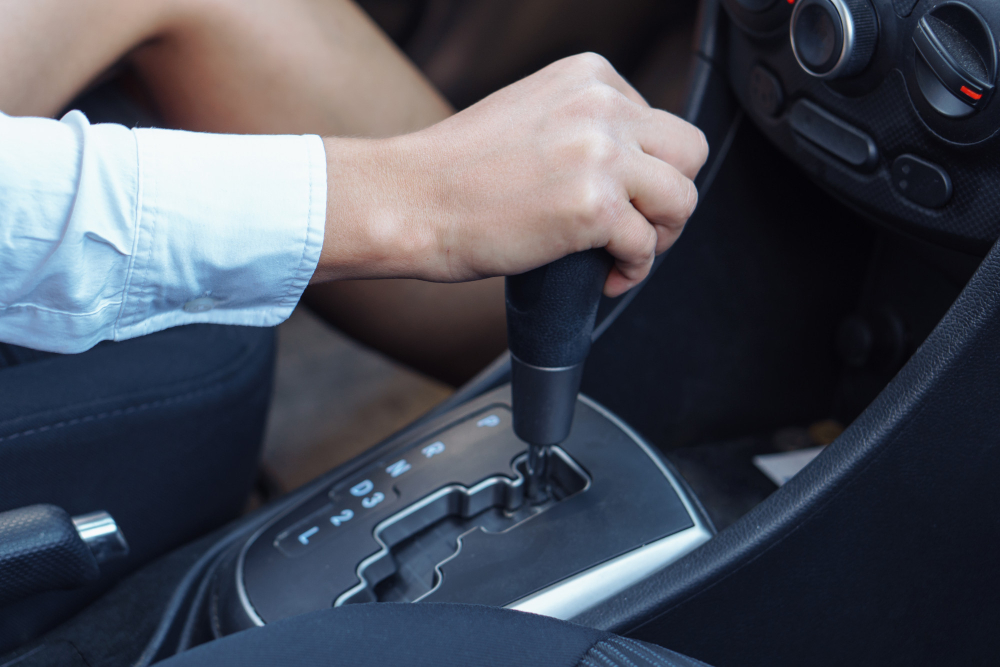
One of the earliest decisions when learning to drive a car is choosing between manual and automatic.
Feature
Manual
Automatic
Difficulty level
Higher at first
Easier for beginners
Gear control
Clutch and gears
No gears to manage
Licence flexibility
Can drive both
Automatic cars only
Lesson progression
Slower initially
Often faster
Popular with adults
Sometimes
Very common
Manual gives you more flexibility long term, while automatic can make learning simpler and less stressful. Thinking about learning to drive automatic vs manual early prevents wasted time later.
Understanding how your car works builds confidence and improves safety. Many learners struggle simply because they do not know what controls do.
You should know the purpose of:
Learning these basics before lessons allows you to focus on driving skills rather than searching for controls mid-lesson.
Mirror, Signal, Manoeuvre (MSM) is a core driving routine taught in the UK. It helps you stay predictable and safe on the road.
This routine applies to turning, changing lanes, pulling over, and exiting junctions. Mastering MSM early helps develop strong driving skills for beginners and reduces common test mistakes.
Defensive driving is all about anticipation and safety. It teaches you to think ahead, spot risks early, and give yourself time to react calmly instead of responding at the last second.
A defensive mindset helps you stay safe even when other road users make mistakes.
Defensive driving focuses on:
Learning defensive driving early reduces risk, improves decision-making, and creates safer habits that stay with you long after you pass your test.
Regular practice is essential for retaining skills and progressing smoothly. Driving ability improves through repetition, where movements and decisions become natural rather than forced.
Without regular practice, learners often forget techniques between lessons, slowing progress and increasing frustration.
Effective practice for progression includes:
Consistent practice helps skills stick, improves accuracy, and allows learners to progress steadily without feeling rushed or mentally overloaded.
While not essential, having access to a car outside driving school lessons can significantly speed up progress.
Benefit
Why It Helps
Extra practice hours
Builds confidence faster
Familiarity
Reduces anxiety
Cost control
Less reliance on paid lessons
Flexibility
Practise specific weak areas
If you practise in a private car, ensure the supervising driver meets legal requirements and stays calm and supportive.
To excel in your driving theory test, focus on understanding, not memorising. Learn road rules, speed limits, and parking laws as part of learning to drive safely, not just passing.
Pay close attention to road signs by understanding their purpose. Regulatory signs give instructions, warning signs highlight hazards, and informational signs guide you. Use online practice tests to reinforce knowledge and build confidence.
Passing your driving test does not mean the learning process ends. Real-world driving is where confidence, awareness, and judgement continue to develop.
Driving independently in new environments helps you adapt to unfamiliar roads and traffic conditions. Practising motorway and night driving builds experience in situations not fully covered during lessons.
Maintaining defensive driving habits keeps you alert and safe as traffic becomes more complex. Continuing calm decision-making ensures you respond thoughtfully rather than react emotionally.
Applying what you have learnt after passing helps you become a safe, confident driver for life, not just someone who passed a test.
One of the most common questions new learners ask is how long the learning process takes and what budget they should realistically expect. While there is no fixed timeline or exact cost, understanding UK averages helps you plan properly and avoid unnecessary pressure.
Learning to drive is influenced by several factors, including how often you take lessons, how much private practice you get, your confidence level, and the quality of instruction. Some learners progress quickly, while others need more time to feel comfortable and test-ready. What matters most is steady improvement rather than speed.
Most learners typically require:
Progress varies depending on confidence, consistency, lesson frequency, and how well skills are reinforced between sessions.
The cost of learning to drive in the UK can vary by location and instructor, but most learners fall within the ranges below.
Cost Item
Approximate Cost
Driving lessons
£1,200–£2,000
Theory test
£23
Practical test
£62–£75
Retests (if needed)
Additional
Understanding how much it costs to learn to drive allows you to budget realistically, pace your lessons comfortably, and avoid surprises during the learning process.
Learning to drive is not about rushing. It is about building safe habits, confidence, and awareness that last a lifetime. By preparing properly, understanding your vehicle, practising regularly, and managing stress, you give yourself the best possible chance of success.
Whether you are learning to drive for the first time or returning as an adult learner, these steps create a strong foundation for safe, confident driving. With the proper guidance and consistent support, progress becomes clearer and far less stressful.
If you are ready to start learning to drive with experienced instructors who focus on real-world skills, Impulse Drive is here to help. Book your lessons today and take the first confident step towards becoming a safe, independent driver.
Most learners need around 40 to 50 hours of professional lessons plus private practice. Progress varies depending on confidence, lesson frequency, and how regularly you practise.
On average, learners spend between £1,200 and £2,000 on driving lessons. Additional costs include the theory test, practical test, and possible retakes.
Automatic cars are easier to learn and reduce stress, especially for beginners. Manual cars take longer to master, but allow you to drive both manual and automatic vehicles later.
Your instructor will explain basic car controls, safety checks, and help you move off and stop on quiet roads. The focus is confidence and control, not perfection.
Yes. Many people successfully start learning to drive as adults. While confidence may take time to build, adult learners often develop strong awareness and safer driving habits.
Practising at least once a week is recommended. Regular, focused practice helps skills become automatic and improves confidence faster than infrequent long sessions.
Driving test preparation should begin early. Studying theory alongside practical lessons improves road awareness and helps you feel more prepared when test time arrives.