

Pay as you go
£ 36.00/Hour
Book now

Choosing between an automatic and a manual car is one of the first big decisions new drivers face. The debate around automatic transmission vs manual transmission isn’t just about preference; it affects how quickly you learn, what licence you receive, how much you spend, and what cars you can drive in the future.
In the UK, more learners are choosing automatic cars than ever before, but manual driving is still widely taught and tested. This guide clearly breaks down the differences, helping you decide what’s best for you as a new driver.
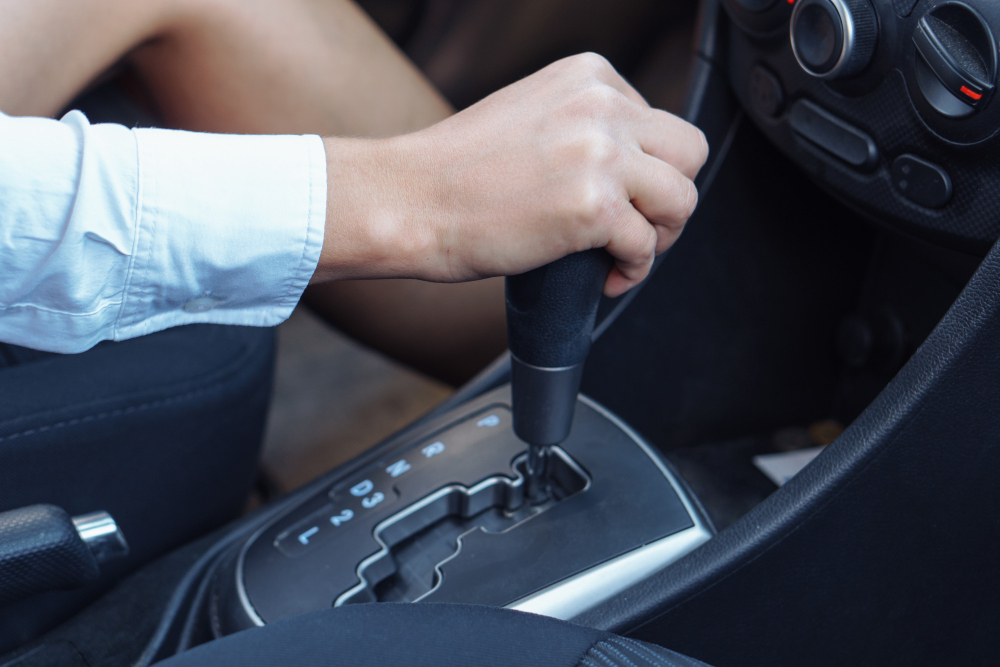
The main difference between automatic and manual transmission comes down to how gears are changed while driving.
With a manual transmission, the driver is responsible for changing gears using a clutch pedal and gear stick. It requires timing, coordination, and practice.
An automatic transmission, on the other hand, changes gears for you. There is no clutch pedal, allowing the driver to focus entirely on steering, speed, and road awareness.
In simple terms:
This difference plays a significant role in how quickly new drivers feel comfortable behind the wheel.
Understanding the pros and cons of each option helps new drivers choose the transmission that best suits their confidence, learning style, and long-term driving needs.
Automatic cars are increasingly popular with new drivers, especially those who want a simpler learning experience. Understanding the benefits helps explain why many learners choose this option.
Automatic cars remove the need for clutch control and gear changes, allowing learners to focus entirely on steering, speed, and road awareness.
Without a clutch, common beginner mistakes like stalling at junctions or hills are eliminated, reducing test stress.
Fewer controls mean less mental overload, making automatic driving ideal for learners who struggle with coordination or confidence.
Stop-start traffic is much easier in an automatic, especially in busy towns and cities.
While automatic cars are easier to learn in, there are a few critical drawbacks to consider before committing to this option.
Automatic instructors and vehicles can be more expensive, depending on location and demand.
Passing in an automatic limits you to driving automatic cars only.
Automatic cars can cost more to buy, particularly in the used market.
These limitations don’t affect every learner, but they can influence long-term flexibility and costs. Weighing them carefully helps you decide if automatic driving is the right fit for you.
Manual driving has long been the traditional route for learners in the UK. While it requires more skill and coordination, it offers advantages that many drivers value for long-term flexibility and control.
Passing your test in a manual car allows you to drive both manual and automatic vehicles without restriction, giving you maximum freedom when choosing cars in the future.
Manual cars are more widely available and are usually cheaper to buy, insure, and maintain. Manual driving lessons are also often more affordable.
Manual driving can provide better control on steep hills, slippery roads, or when towing, as the driver has direct control over gear selection.
However, manual driving also comes with challenges that can make learning more demanding for some drivers.
Coordinating clutch control, gear changes, and road awareness at the same time can be difficult for beginners, especially in heavy traffic.
Stalling, rolling back on hills, or selecting the wrong gear are common reasons learners fail their driving test.
The added complexity may slow progress, particularly for nervous learners or those under time pressure to pass quickly.
These drawbacks don’t affect every learner, but they can impact confidence and learning speed. Considering both sides helps determine whether manual driving is the right path for you.
Maintenance costs can influence your long-term driving budget. Manual cars generally have lower repair and servicing costs due to more straightforward mechanics. Automatic cars can be costlier to fix if transmission problems occur, though modern automatics are far more reliable than older versions.
Overall, maintenance cost automatic vs manual still favours manual cars, but the gap is steadily narrowing.
Factor
Manual Car
Automatic Car
Servicing complexity
Simple
More complex
Repair costs
Lower
Higher if gearbox issues occur
Reliability (modern cars)
High
High
Long-term maintenance
Cheaper overall
Slightly more expensive
While manual cars still tend to be cheaper to maintain overall, modern automatic vehicles are far more dependable than they once were.
For many drivers, the difference in maintenance cost is now small enough that comfort and ease of driving become the deciding factors.
Insurance costs are another factor to consider when choosing between manual and automatic cars. While the difference in premiums is usually slight, automatic vehicles can sometimes cost more to insure.
Drivers who hold an automatic-only licence may also face higher insurance premiums compared to those with a full manual licence, as insurers see the restriction as increased risk or reduced flexibility.
Yes, for many learners it is easier to learn to drive an automatic car. When comparing automatic transmission vs manual transmission, automatics remove the need for clutch control and gear changes, allowing learners to focus on steering, speed, and road awareness. That often reduces stress and speeds up progress, especially for nervous beginners.
In the manual vs automatic car debate, many UK driving instructors recommend automatic cars for learners who struggle with coordination, anxiety, or time pressure.
They can cost slightly more to buy and maintain, but modern automatics are reliable, and the cost gap is narrowing.
Choosing between a manual and automatic car affects how quickly you progress and how prepared you feel on test day.
Automatic cars are generally quicker to learn, as no clutch control or gear changing. It allows learners to focus on road awareness and decision-making sooner.
Many learners feel more confident and test-ready in an automatic way, particularly if they struggle with coordination. Manual learners may take longer but gain broader driving skills.
A manual licence offers maximum flexibility, allowing you to drive both manual and automatic cars. An automatic licence limits you to automatics only.
The right choice depends on your personal circumstances rather than one option being better than the other.
Understanding these factors makes choosing between automatic transmission vs manual transmission much clearer and more personal.
If you’re still unsure which option suits you best, this quick guide can help you decide at a glance:
If You Are…
Automatic Car
Manual Car
A nervous or anxious learner
Best choice
May feel overwhelming
Looking to pass quickly
Faster learning
Takes longer
On a tight budget
Slightly higher costs
Usually cheaper
Want full licence flexibility
Automatic-only
Full licence
Learning in busy UK traffic
Easier to manage
More demanding
This simple framework helps learners choose based on confidence, cost, and long-term goals, rather than pressure or outdated advice.
Choosing between automatic transmission vs manual transmission comes down to your confidence, budget, and long-term driving goals. Automatic cars are easier and faster to learn, making them ideal for nervous learners or those under time pressure, while manual cars offer greater flexibility and often lower costs.
There’s no one-size-fits-all option; the right choice is the one that helps you learn safely
and confidently. If you want expert guidance tailored to your needs, Impulse Drive is here to help.
Book your driving lessons today and start your journey with confidence.
Yes, most learners find automatic cars easier because there’s no clutch or gear changes, allowing better focus on the road.
Automatic cars suit learners who want a quicker, less stressful learning experience. Manual cars are better for those wanting full licence flexibility.
If you plan to drive automatic cars only, it can be worth it. However, a manual licence allows you to drive both.
Yes, but you’ll need to take and pass another driving test in a manual car.