

Pay as you go
£ 36.00/Hour
Book now

Learning to drive is one of the biggest milestones for many people in the UK. But once you start searching for lessons, a common question appears almost immediately: Intensive driving course vs regular driving lessons, which one helps you pass faster?
Some learners prefer the structure of weekly driving lessons, while others want a faster route through a crash course driving lessons program that condenses training into a short period.
If you're deciding between the two, this guide explains how each option works, how long learning usually takes, and which one may help you reach your driving test sooner.
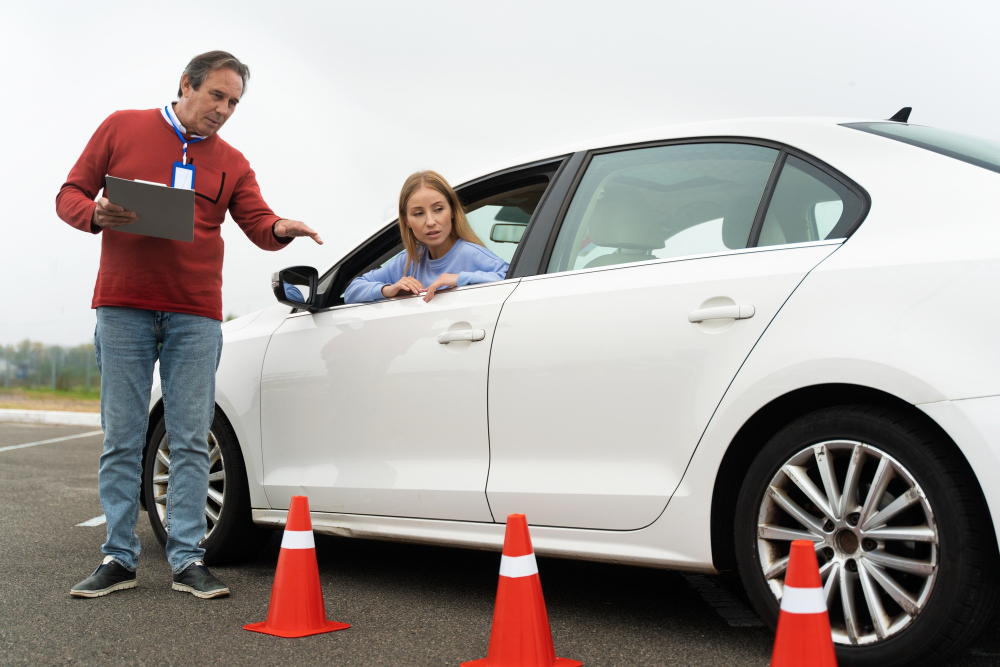
An intensive driving course vs regular driving lessons comparison usually comes down to time, learning style, and how quickly you want to pass your driving test.
An intensive driving course condenses many hours of practice into a short period, sometimes just a few days or a couple of weeks. Many courses also offer a driving test at the end of the training.
If your main goal is speed and you can dedicate time daily, an intensive driving course UK can help you reach the test standard faster. If you prefer a steady pace with time to absorb feedback between lessons, regular driving lessons may be the better option.
An intensive driving course is a fast track training program where driving lessons are grouped over a short period. Instead of learning across several months, you may complete 20 to 40 hours of practice within a single week or over a couple of weeks.
Some courses even offer an Intensive driving course with test included, meaning your driving test is booked at the end of the training period.
Driving schools across the UK offer several types of accelerated courses designed to help learners reach test standard quickly.
Course Type
Description
Intensive driving course Manchester
Designed for learners who want to pass quickly with experienced driving instructors Manchester. These courses usually include several hours of driving practice each day.
Intensive driving course automatic
Ideal for learners who prefer simpler vehicle control. Many students find automatic cars easier when completing an intensive course.
Fast pass driving course
A fast-track training program aimed at preparing learners for their driving test in the shortest possible time, sometimes within a week.
Crash course driving lessons
Another term for condensed driving lessons is where sessions are scheduled daily instead of weekly.
Regular driving lessons follow a gradual learning structure. Instead of training every day, lessons are usually scheduled weekly.
Regular lessons also give students time to reflect between sessions, which helps them absorb instructors' feedback and improve steadily.
Learners usually choose between two main formats, depending on their preferences and confidence levels.
Lesson Type
Description
Manual driving lessons
These lessons teach learners to operate a manual transmission car, including clutch control, gear changes, and vehicle coordination. Learning in a manual car allows drivers to operate both manual and automatic vehicles after passing the test.
Automatic driving lessons
These lessons remove gear shifting from the learning process, making driving simpler for beginners. Many learners choose this option because it allows them to focus more on road awareness and traffic situations.
To better understand intensive driving course vs regular driving lessons, the comparison below highlights the key differences between the two learning approaches.
Factor
Intensive Driving Course
Regular Driving Lessons
Learning Speed
Fast (1–3 weeks)
Gradual (3–6 months)
Lesson Frequency
Daily lessons
Weekly lessons
Learning Style
Immersive practice
Gradual skill building
Cost Structure
Higher upfront payment
Pay per lesson
Best For
Learners who want to pass quickly
Learners who prefer steady progress
One of the biggest factors is how quickly you want to pass.
An intensive driving course can prepare some learners for the test within one to three weeks. Because lessons are packed together, skills develop quickly through repetition.
With regular driving lessons, learning takes longer. Many learners take lessons over three to six months, depending on availability and practice time.
It also answers a common question learners ask: how long does it take to learn to drive?
In the UK, the Driver and Vehicle Standards Agency reports that learners typically require around 45 hours of professional instruction plus additional private practice.
Another difference is the frequency of lessons.
During an intensive course, learners may spend several hours driving every day. This constant exposure accelerates learning but can also feel tiring.
With regular lessons, instructors often recommend weekly driving lessons because they create a steady rhythm of practice.
Many learners also wonder how often they should take driving lessons. Most instructors suggest one or two lessons per week to help learners retain information without feeling overwhelmed.
Price is another important factor when choosing between these options.
Below is a simple comparison of typical costs in the UK.
Lesson Type
Typical Structure
Estimated Cost
Regular Driving Lessons
1 to 2 hours weekly
£30 to £40 per hour
Intensive Driving Course
20 to 40 hours over several days
£900 to £2000
Intensive Driving Course with Test Included
Course plus driving test booking
£1200 to £2500
The cost of driving lessons varies depending on location, instructor experience, and whether the course includes the driving test.
When people search for how much an intensive driving course costs, the answer depends on the number of hours included and whether the test is part of the package.
For many learners, weekly driving lessons provide a balanced learning experience.
Spacing lessons across weeks allows students to practise skills mentally between sessions. It also reduces pressure compared with learning for several hours a day.
Some learners find that this slower pace helps them feel more confident on the road.
That said, are weekly driving lessons better for everyone? Not necessarily. If someone learns quickly and wants to pass as soon as possible, an intensive driving course may be more suitable.
A question almost every learner asks is how many driving lessons do I need.
According to DVSA data, the average learner requires:
However, the actual number varies widely depending on learning speed, confidence, and previous experience behind the wheel.
Some learners pass after fewer lessons, while others take longer to feel comfortable driving independently.
Many learners ask Is an intensive driving course worth it before committing to one.
For some people, the answer is yes.
An intensive course can be ideal if:
However, intensive training can feel demanding. Spending several hours driving every day requires strong focus and energy.
Learners who prefer a slower pace may feel more comfortable with regular driving lessons instead.
When comparing an intensive driving course vs regular driving lessons, the best option depends on how quickly you want to pass and how you prefer to learn.
If speed is your priority, an intensive driving course can help you reach the test standard faster because lessons take place daily. This consistent practice helps learners build driving skills quickly without long breaks between sessions.
However, some learners benefit more from the steady rhythm of regular driving lessons or weekly driving lessons, where they have time to absorb feedback and gradually build confidence on the road.
In the end, both approaches can help you pass your driving test. The key is choosing the option that matches your schedule, learning style, and comfort level behind the wheel.
Start learning today with Impulse Drive, experienced driving instructors Manchester, offering both intensive driving courses and flexible weekly lessons designed to help you pass with confidence.
Most learners need around 45 hours of professional lessons plus additional practice. Depending on lesson frequency, this may take several months or just a few weeks with an intensive course.
The number varies, but many learners require between 40 and 50 hours of instruction to reach the test standard.
The cost of an intensive driving course typically ranges from £900 to £2000, depending on the number of hours and whether the test is included.
They are faster but not always better. Some learners prefer normal driving lessons because they allow more time to build confidence.
Yes. Many driving schools offer intensive driving course automatic options for learners who want a simpler driving experience.