

Pay as you go
£ 36.00/Hour
Book now

For any learner driver, choosing between manual and automatic is one of the first major decisions you’ll make. Many new drivers now choose automatic because it offers a simpler, less stressful path to passing the practical test.
Understanding the benefits of automatic driving lessons can help you choose a learning path that aligns with your confidence level, schedule, and long-term driving goals.
In recent years, automatic driving lessons in Manchester have become increasingly popular, particularly in busy urban areas where traffic congestion and stop-start conditions are common.
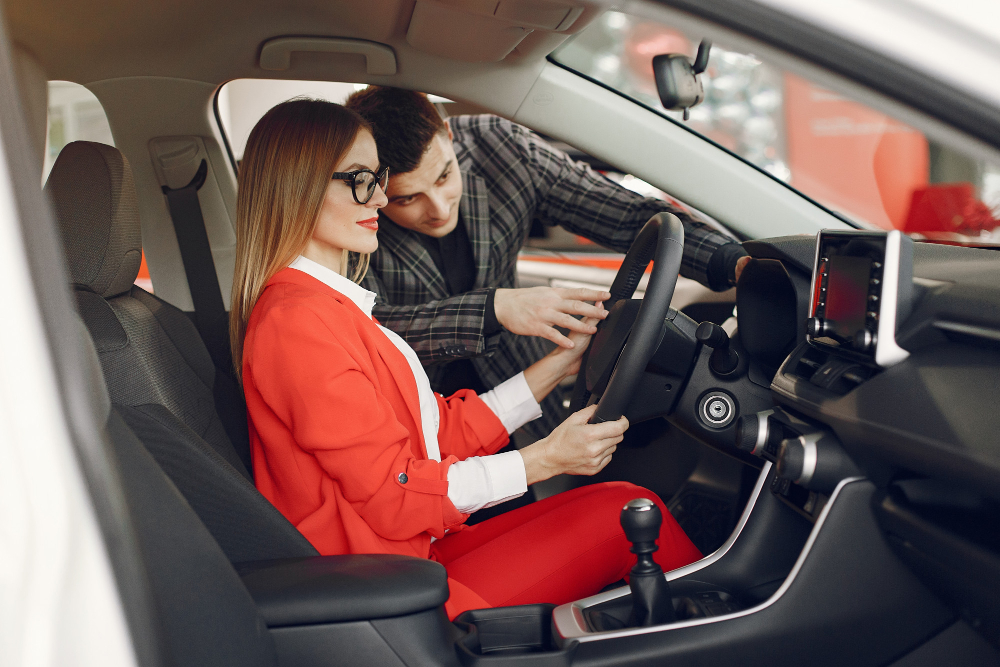
One of the most recognised benefits of automatic driving lessons is simplicity. Without having to coordinate clutch control and gear shifting, a learner driver can focus entirely on steering, observation, and understanding road signs.
In manual vehicles, beginners often struggle with stalling or hill starts. Automatic cars remove this barrier completely. This helps new drivers feel more in control from their very first lesson, which builds confidence early in the learning journey.
For many learner drivers, this smoother start reduces frustration and makes lessons more enjoyable.
Because automatic vehicles remove mechanical distractions, learners can focus more on road positioning, hazard perception, and test preparation. That often leads to faster progress compared to manual driving.
According to recent DVSA published statistics, automatic driving tests often show competitive pass rates compared to manual tests nationally, reinforcing the fact that test standards remain identical regardless of transmission type.
With thousands of automatic tests conducted each year across the UK, the growing demand reflects a clear shift in how learner drivers approach modern driving conditions.
Many students notice they:
This is particularly helpful for those considering an intensive driving course automatic, where progress needs to be efficient and structured. With fewer technical elements to master, more time can be spent practising real driving test routes and local junction layouts.
Manchester’s roads can be subject to heavy congestion, roundabouts, pedestrian crossings, and complex junctions. In stop-start traffic, manual drivers constantly manage clutch control, which can increase pressure.
Automatic driving lessons in Manchester remove this extra task. Learners can concentrate on:
That makes automatic lessons especially beneficial for those who feel nervous in city environments.
When you’re not worrying about gear changes, your mental focus shifts toward the road itself. It improves:
For learner drivers, this stronger awareness leads to safer long-term driving habits. During structured driving lessons in Manchester, instructors can dedicate more time to real-world scenarios rather than mechanical corrections.
Confidence plays a huge role in passing your driving test. Automatic cars provide a smoother driving experience, which helps nervous learner drivers stay calm and composed.
Instead of worrying about stalling at traffic lights or rolling backwards on hills, students can build confidence steadily. It is particularly valuable for older learners, anxious drivers, or anyone who previously struggled with manual vehicles.
Automatic lessons create a more supportive learning environment where confidence grows naturally.
Choosing between automatic and manual is one of the biggest decisions a learner driver will make. While both options follow the same DVSA testing standards, the learning experience can feel very different.
Here’s a clear comparison:
Feature
Automatic Driving Lessons
Manual Driving Lessons
Clutch Control
Not required
Required
Gear Changes
Fully automatic
Manual gear shifting
Risk of Stalling
None
Possible, especially for beginners
Learning Speed
Often quicker progression
Typically slower initially
Traffic Handling
Easier in stop-start traffic
Requires clutch control in congestion
Licence Type
Automatic licence only
Full manual licence
Automatic driving lessons simplify the learning process by removing the need for clutch control and gear coordination. That allows learner drivers to focus more on road awareness, positioning, and hazard perception, particularly useful in busy areas like Manchester.
Manual lessons provide greater licence flexibility, but they involve a steeper learning curve at the beginning.
For many learner drivers, especially those who want to build confidence quickly or manage city traffic with less stress, automatic driving lessons offer a smoother and more straightforward path to passing.
The benefits of automatic driving lessons are clear: simpler learning, faster progress, reduced traffic stress, stronger road awareness, and for many learners, the difference is not just technical, it’s psychological confidence behind the wheel.
For students looking for automatic driving lessons in Manchester, choosing experienced instructors makes all the difference.
At Impulse Drive, we offer structured driving lessons in Manchester designed to help learner drivers build confidence, practise real test routes, and prepare effectively, whether through weekly sessions or an intensive automatic driving course.
If you’re ready to start learning the smart way, book your automatic driving lessons today and take the first step toward passing with confidence.
Yes, many learner drivers switch to automatic after struggling with clutch control or gear coordination. Skills such as road positioning, mirror checks, and hazard perception transfer directly, so that you won’t be starting from zero.
In many cases, yes. Because automatic cars remove gear changes and clutch control, learners often reach the test standard more quickly. However, the exact number of lessons depends on your confidence, consistency, and how regularly you practise.
The DVSA marking criteria are the same for both. The difference lies in vehicle control. Automatic cars remove mechanical distractions, which can make it easier for some learner drivers to stay calm and avoid faults related to stalling or incorrect gear use.
No. Passing your test in an automatic vehicle means your licence will only allow you to drive automatic cars. If you want the flexibility to drive both manual and automatic vehicles, you need to pass a manual driving test.
For many nervous learner drivers, yes. Automatic vehicles provide a smoother driving experience without the added pressure of clutch control. This often reduces anxiety in heavy traffic, on hill starts, and at busy junctions, particularly during driving lessons in Manchester, where traffic conditions can be demanding.
In many cases, learner drivers progress faster in an automatic because there’s no clutch control or gear shifting to master. While the exact time depends on individual ability and lesson frequency, automatic learners often reach the test standard sooner than those learning manually.