

Pay as you go
£ 36.00/Hour
Book now

Learning to drive is one of the biggest skills you’ll ever gain, and understanding the journey from your first lesson to becoming test-ready can make the entire process smoother, faster, and far less stressful.
This guide breaks down the exact stages of learning to drive, how long each step typically takes, how many hours you’ll need, and the real costs involved in 2026.
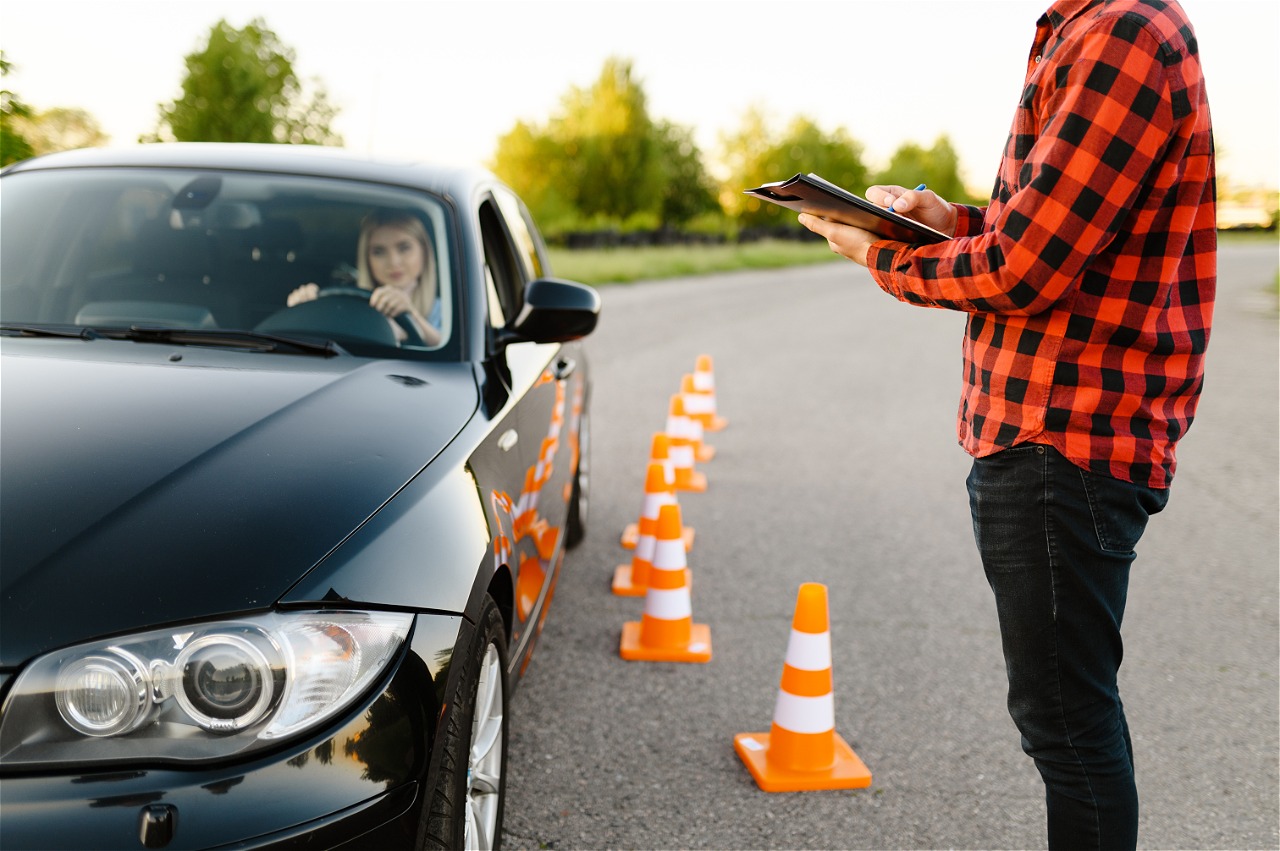
Before booking any driving lessons, make sure you have the essentials:
If you're wondering how to prepare for your first driving lesson UK, the best approach is simple: stay calm, get a good night’s sleep, and arrive knowing your instructor will guide you through every step.
Most beginners feel nervous before their first lesson, but it’s far more straightforward than expected. A typical first driving lesson includes:
Your instructor shows you how to set up your seat, mirrors, steering position, and controls.
You’ll learn about:
With guidance, you’ll try moving the car, stopping safely, and steering in a straight line.
These are the foundations of driving lessons for beginners, and most learners gain confidence within the first 20 minutes.
Every learner progresses through the same key phases. These steps form the progression from complete beginner to independent driver.
It includes clutch control, finding the biting point, smooth braking, steering, and gear changes. Mastering these early skills builds confidence for all future lessons.
You will drive on quiet residential roads, learning:
Once you’re comfortable, lessons move to:
These scenarios teach real-world decision-making and observation.
You’ll learn the manoeuvres required for the test:
This includes driving without step-by-step instructions, often using:
That is where you start feeling test-ready.
Your instructor will simulate a full driving test to evaluate your readiness and highlight final improvements.
This entire pathway reflects the natural progression of step by step driving lessons for beginners and is essential for building confidence.
A common question is: “How long will it take to learn to drive?”
Most learners progress through the stages at different speeds, but DVSA averages give a clear baseline. Below is a simple breakdown of typical learning timeframes and who each applies to:
Learner Type
Hours with Instructor
Private Practice Needed
Total Time to Become Test-Ready
Complete Beginner
45–55 hours
20–30 hours
3–5 months
Confident Beginner
35–45 hours
10–20 hours
2–3 months
Manual Learner (average)
40–55 hours
Varies
3–4 months
Automatic Learner
25–40 hours
5–15 hours
1.5–3 months
Intensive Course Learner
20–35 hours (condensed)
Minimal
2–4 weeks
Nervous or Anxious Learner
55–70 hours
20–30 hours
4–6 months
Learners driving once a week progress more slowly than those taking two or three lessons weekly.
If you’re wondering how do you learn to drive a car quickly, the answer is frequency, confidence, and consistent practice.
Another popular question: “How many hours to learn to drive?”
Most beginners require 40–55 hours.
Because there’s no clutch or gears, some learners progress faster, averaging 25–40 hours.
Short, high-frequency courses can reduce total hours but require high focus.
If you’re searching for how many lessons to learn to drive or how many hours to learn driving, these ranges are the most accurate for 2026.
The cost of learning to drive varies by city and instructor demand. On average:
So, how much does it cost to learn to drive overall?
A full learning journey typically costs between £1,600 and £2,200, depending on lesson style, location, and experience.
Whether you're looking for driving lesson tips, driving advice for beginners, or simply want to speed up the learning process, use these strategies:
Momentum makes a huge difference.
Private practice accelerates confidence.
Breaks between lessons slow progress significantly.
Tell your instructor what you find difficult they can adjust the lesson.
Simple self-reflection helps you improve rapidly.
Reaching the final stage of learning to drive means you can handle real traffic conditions confidently and consistently. While every learner progresses at their own pace, there are clear signs that you’re ready to book your practical test.
A core part of the driving test is independent driving using either a sat-nav or road signs. If you can follow directions, stay in the correct lane, and manage your speed without relying on prompts, you’re close to being test-ready.
You should be able to complete manoeuvres, parallel parking, bay parking, pulling up on the right, and emergency stopping smoothly and safely.
From multi-lane roundabouts to rush-hour junctions, a test-ready learner can stay composed in stressful traffic conditions.
If you naturally spot hazards, pedestrians stepping out, cars edging out of junctions, and cyclists approaching, and take safe, early action, you’re demonstrating the awareness examiners look for.
Confident driving is about making safe choices at the right time. Whether it’s deciding when to pull out at a junction or choosing the correct lane at a roundabout, hesitation usually means you need more practice.
The most accurate indicator is your instructor’s assessment. They’ll only advise you to book your test once you’re consistently driving at test standard, completing lessons with minimal or no faults.
In your final stage before the test:
This preparation ensures you walk into the test confident, calm, and fully capable.
Learning to drive is a step-by-step process that moves from basic control to confident, independent road skills.
With the right instructor, consistent practice, and a clear understanding of each stage, you can progress smoothly and become fully test-ready.
Whether you're a complete beginner or returning after a break, the stages above give you a clear roadmap to becoming a safe, skilled driver.
At Impulse Drive, we believe in affordable, high-quality driver training that helps you pass the first time.
Book your first lesson today with Impulse Drive Manchester.
Don’t stop here, check out our latest blogs packed with actionable insights.
Step-by-Step Guide to Learning to Drive in Manchester
How to Budget for Your Driving Licence from Start to Finish
Most learners need 40–55 hours of professional lessons plus 20–30 hours of private practice. Automatic learners may need fewer hours, while nervous drivers may require additional time to build confidence.
You learn to drive through structured lessons covering car control, road awareness, junctions, roundabouts, manoeuvres, and independent driving. A qualified instructor guides you step by step until you're confident and consistent.
On average, it takes 3–5 months for most learners to reach test-ready level. Learners taking more frequent lessons, two or three per week, usually progress faster than those taking one weekly lesson.
Beginners typically need 40–55 lessons for manual and 25–40 lessons for automatic. The exact number depends on confidence, coordination, consistency, and how often you practise.
Automatic is easier for most beginners because no clutch or gear shifting, which reduces stalling and increases focus on the road. However, manual offers more control and is generally cheaper to learn.
Your first lesson usually includes the cockpit drill, understanding the controls, clutch and gear basics, moving off, steering, and stopping safely. Most learners start driving within 15–20 minutes of the lesson beginning.
The total cost of learning to drive ranges from £1,600 to £2,200. This includes lesson fees (£30–£42 per hour), the theory test (£23), and the practical test (£62–£75 depending on the day).