


Pay as you go
£ 36.00/Hour
Book now

Understanding UK road signs is one of the first steps to becoming a confident driver. Whether you’re a nervous learner, a student, or a parent booking lessons for your child in Manchester, knowing what signs mean will keep you safe, help you pass your DVSA theory test, and make your practical lessons smoother.
In this guide, we’ll break down shapes, colours, and meanings, explain how to read signs quickly, and give you practical tips for city routes, test centres, and busy junctions.
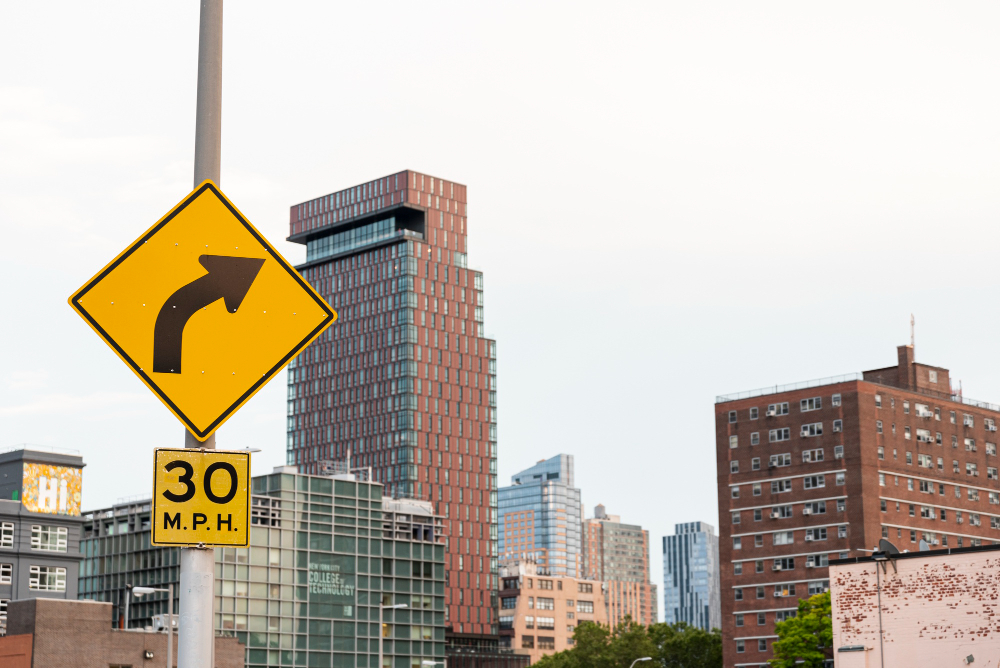
The UK has many different road signs, including permanent signs, temporary roadwork signs, local authority signs, route signs, and supplementary plates. Learner drivers do not need to memorise every variation at once.
The best starting point is to understand the main sign categories, shapes, colours, and the common signs you are most likely to see during lessons and test routes.
Don’t worry, you don’t need to memorise every single sign. Start with the signs that appear most often during lessons, theory test practice, and real driving, then build confidence through repeated route practice.
For Manchester learners, knowing the common regulatory and warning signs is especially important because busy city routes like Chadderton, Cheetham Hill, and Bury have multiple signs packed close together. Recognising them quickly can prevent mistakes in lessons and your DVSA practical test.
Colours give you additional clues about the type and importance of a sign:
In Manchester, where streets like Bolton or Sale are busy and pedestrian-heavy, recognising colour quickly helps you react safely, like slowing down for school zone warning triangles.
UK road signs are designed to communicate instantly. By recognising shape and colour, you can understand whether a sign is warning you, giving an instruction, or providing information even before reading the text. Here’s a breakdown for learners.
A simple way to remember them is: circles give orders, triangles warn, and rectangles inform. Once you recognise the shape, use the colour and symbol to understand the exact meaning.
Triangular signs usually warn you about hazards ahead. They normally have a red border and are designed to make you slow down, scan the road, and prepare early.
Examples of what triangle signs warn you about:
Tip for learners: Slow down when you see a triangle sign and scan ahead. Anticipating hazards is a key habit both for your DVSA test and everyday driving in busy Manchester streets.
Circular signs are all about instructions you must follow or actions you must avoid. These are legally enforceable; ignoring them can result in fines, points on your licence, or other penalties.
Understanding these signs quickly is essential for safe driving, passing your DVSA theory and practical tests, and navigating busy Manchester streets.
Red circles = prohibitions and restrictions:
Blue circles = mandatory actions:
Pro tip for learners: In lessons, verbalise the meaning aloud: “Red circle, no entry” or “Blue circle, turn left only.” This helps your brain process symbols faster, especially during busy or stressful test scenarios.
Rectangular signs are primarily informational; they don’t tell you what to do, but provide guidance, directions, or services. Understanding them helps you plan your route, anticipate exits, and spot important facilities, which is especially useful on Manchester test routes.
Blue rectangles = motorways
Green rectangles = primary routes
White rectangles = local roads
Brown rectangles = points of interest
Practical tip for learners: Use rectangle signs to plan lane changes, stops, or turns in advance, especially in high-traffic Manchester areas. Being prepared reduces sudden lane changes, improves safety, and demonstrates awareness during your DVSA practical test.
As a new driver, certain road signs will appear frequently. Understanding them will keep you safe and help you pass your DVSA tests.
These signs appear often during lessons, city driving, and DVSA test routes, so learners should be able to recognise them quickly and respond without hesitation.
Tip: Always adjust your speed to the road and traffic conditions.
Tip: Be aware of conditions; don’t assume you can always drive at top speed.
Tip: Always check for additional warning signs before turning.
Tip: Driving the wrong way is illegal and dangerous; watch for cyclists and pedestrians.
Tip: Check supplementary plates below the sign for times or conditions; breaking rules can result in fines or towing.
Tip: Understand these signs before driving in unfamiliar areas, especially if using an international licence.
Tip: Children may cross unexpectedly; always be ready to stop.
Tip: Never ignore barriers or lights; always wait until it’s safe.
Tip: If you’re new to UK roundabouts, always check mirrors and signal clearly.
Reading signs efficiently is key to safe driving and passing your DVSA test, especially in busy areas like Manchester city centre. Follow this step-by-step method:
For learners who want more structured practice, road sign recognition can also improve through real lesson routes, especially when signs, UK road markings, bus lanes, crossings, and roundabouts appear close together.
This is why many learners combine theory revision with practical driving lessons in Manchester, so they can understand road signs and markings in real traffic instead of only memorising them from a screen.
Manchester has unique road sign challenges that learners need to be ready for:
Instructor tip: Learning the patterns and placements of signs in these areas through lessons or repeated practice significantly reduces stress and improves reaction time.
Even experienced learners make mistakes if they aren’t prepared. The most common include:
Many learners mistake warning triangles for regulatory circles, leading to incorrect actions. For example, you might slow down when a full stop is required or stop unnecessarily at a warning sign. Recognising the shape quickly ensures you respond correctly and stay safe, especially on busy streets.
Supplementary plates under a main sign are often overlooked. These plates provide crucial information like time restrictions, distances, or lane-specific instructions. Missing these details can lead to misunderstanding the sign’s full meaning, resulting in unsafe driving or minor test faults.
Delayed reactions are common, especially on busy Manchester roads such as Deansgate, Oxford Road, and Spinningfields, where multiple signs appear in quick succession. Reacting too late increases the risk of mistakes during lessons and your DVSA practical test.
In intensive lessons, learners get repeated exposure to signs in real traffic, which helps recognition become faster and more natural. At Impulse Drive, this can include:
Outcome: Learners develop the speed and accuracy needed to interpret signs safely, which reduces test anxiety and improves overall driving competence.
Mastering UK road signs is essential for any learner driver. Recognising shapes, colours, and symbols quickly improves safety, reduces test anxiety, and helps you pass both the DVSA theory and practical tests.
By practising regularly on Manchester, Bolton, and Bredbury routes, verbalising sign meanings, and using guidance from Impulse Drive instructors, learners gain the confidence to navigate busy streets safely.
Start your lessons today and build the skills to spot, understand, and respond to all UK traffic signs like a pro.
UK road signs communicate hazards, mandatory instructions, and guidance. Understanding UK road signs meanings is crucial for safe driving and passing your DVSA test.
Spot the shape first, then the colour, and finally the symbol. Practising this process improves recognition on Manchester roads and test routes.
Triangles indicate warnings, circles indicate instructions (regulatory signs), and rectangles provide information. Special shapes, like the octagonal STOP sign, are instantly recognisable for safety.
Yes. Road signs from the Highway Code can appear in your theory test and affect your practical test. Start with the most common warning, regulatory, and information signs, then build confidence through real-road practice.
Motorway signs in the UK usually use a blue background with white text, numbers, and borders. They show motorway routes, junctions, exits, services, and lane information.
The easiest way is to learn by shape first. Circles give orders, triangles warn, and rectangles inform. Then check the colour, symbol, and any plate below the sign.